Everything You Need to Know Before Joining a Residential Cruise
Considering residential cruising but feeling overwhelmed by the number of decisions involved? You're not alone. Moving your entire life onto a ship is one of the biggest lifestyle changes a person can make, and the stakes are high. Get it right, and you're living an extraordinary life traveling the world. Get it wrong, and you've sunk a significant investment into something that doesn't fit.
This guide walks you through every stage of the process: from figuring out whether residential cruising is even right for you, all the way through to what your first month aboard will actually feel like. We've talked to current residents, analyzed every major operator, and compiled the practical details that brochures leave out.
Part 1: Understanding What You're Getting Into
What Is Residential Cruising?
Residential cruising means living full-time (or part-time) on a cruise ship. Unlike a vacation cruise where you board for 7–14 days and return home, residential cruising is fundamentally different:
Duration: Trips are measured in years, not days. Many residents live aboard indefinitely.Ownership: You own, lease, or rent a permanent residence. Your cabin is yours, not a hotel room assigned for a week.Community: You're a resident with neighbors, not a tourist. The 200–600 people aboard become your community.Routine: The ship is your home. You have routines, habits, favorite spots. You do laundry, manage finances, and handle the same life logistics everyone does, just with a constantly changing view.The closest analogy isn't a cruise vacation. It's closer to living in a luxury condo building that happens to travel the world, with all meals, housekeeping, and entertainment included.
Is It Right for You?
This is the most important question, and it deserves honest reflection, not just enthusiasm.
You'll likely thrive in residential cruising if:
You love travel and get energy from new places, cultures, and experiencesYou're tired of home maintenance, mowing lawns, fixing roofs, dealing with contractorsYou enjoy social connection and are comfortable meeting new people regularlyYou value experiences over possessions and are willing to downsize significantlyYou can work remotely or are retired with flexible schedulesYou're adaptable, comfortable with occasional itinerary changes, rough weather, and compact living spacesYou're financially stable enough to commit without stretching beyond your meansYou're in reasonable health and able to manage life in a maritime environmentResidential cruising may not be for you if:
You need large personal space: even the biggest suites are smaller than a typical apartmentYou have mobility limitations that ships can't adequately accommodate (narrow corridors, steps between decks)You require specialized medical care that isn't available at sea or in many international portsYou get severely seasick and it doesn't improve with medication or timeYou need to be in a specific location regularly, for work, family caregiving, or medical appointmentsYou're uncomfortable being away from friends and family for extended periodsYou're making the decision to escape a problem rather than pursue an opportunityA trial period is ideal. Several operators offer short-term rental arrangements (1–6 months) that let you experience the lifestyle before making a long-term financial commitment. If this option is available, strongly consider it.
Part 2: Choosing Your Operator
Key Factors to Compare
Choosing the right operator is arguably the most consequential decision in this entire process. Here's what matters most, in order of importance:
1. Financial Stability and Track Record
This is non-negotiable. You are potentially handing over hundreds of thousands of dollars. You need confidence the company will exist next year.
How long have they been operating? Is the ship currently sailing with residents aboard?What is the company's financial backing? Are they venture-funded, privately held, or publicly traded?What happens to your investment if the company fails? Are deposits held in escrow?Have they delivered on their promises? Check their history of announced vs. actual launch dates.What do current residents say? Join forums, Facebook groups, and Reddit communities.2. Ship Quality and Condition
Not all ships are created equal. The vessel itself will be your home.
Purpose-built vs. converted: Purpose-built residential ships (like Storylines' MV Narrative) are designed for long-term living with full kitchens, larger cabins, and residential amenities. Converted ships (like Villa Vie's Odyssey or Avora's Lumina) are retrofitted cruise liners, often beautiful, but with some compromises on space and layout.Age and condition: Older ships can be perfectly seaworthy and well-maintained, but investigate recent dry dock work, engine overhauls, and refurbishment history.Cabin size and layout: Visit in person. Floor plans on a website feel very different from standing in the actual space.Common areas: How much social and recreational space is there relative to the number of residents?3. Community Fit
You'll be living with these people. Community matters enormously.
What's the average age and demographic of current or expected residents?What's the international mix? Some ships skew heavily toward one nationality; others are genuinely global.What's the social culture like? Some communities are highly social with constant group activities; others are more independent.Are there residents who share your interests, background, or values?4. Itinerary and Route Style
Different operators take fundamentally different approaches to routing.
Continuous world cruising: the ship circumnavigates the globe, visiting 100+ ports per yearRegional itineraries: the ship stays in one region (Mediterranean, Caribbean, Southeast Asia) for monthsPort-heavy vs. sea-day-heavy: some itineraries stop at a new port every 1–2 days; others have 3–5 consecutive sea days between stopsFlexibility: can residents influence routes? Do operators adjust based on weather, geopolitical events, or resident preferences?Time in port: do you get 8 hours or 2–3 days at each stop?5. Pricing Structure
The headline purchase price is only part of the story. You need to understand the total cost of ownership:
What is the upfront purchase or deposit cost?What are the monthly fees, and what do they include?How much do fees increase annually? (Ask for historical data.)What's excluded? Alcohol, excursions, WiFi upgrades, medical care?What are the exit terms? Can you sell? Is there a buy-back guarantee?The Major Operators (2026)
Villa Vie Residences
Accessible luxury, multiple ownership models
$$
Operating: currently sailing
Storylines
Purpose-built modern community
$$$
Launching soon: MV Narrative under construction
Avora Residences
Premium luxury (former Seven Seas Navigator)
$$$
Ship acquired: preparing for launch
Fabled Voyages
Pet-friendly, expedition focus
$$-$$$
In development
Victoria Cruises
All-inclusive, solo-friendly
$$
Operating
Crescent Seas
Modern residential
$$-$$$
Early stage
For a detailed side-by-side comparison of every operator, see our complete residential cruise ships guide.
Part 3: The Complete Timeline From Research to Boarding Day
One of the most common questions we hear is: "How long does this whole process take?" Here's a realistic timeline based on what current residents report.
Months 1–6: Research and Discovery
This is the exploratory phase. Don't rush it.
Read extensively: start with guides like this one, then dig into operator-specific details on our operator pagesTake our matching quiz: it narrows the field based on your budget, lifestyle, and preferencesJoin online communities: Facebook groups, Reddit's r/residentialcruise, and operator-specific forums are goldmines for unfiltered opinionsTalk to current residents: many are happy to share their experience. Operators can sometimes facilitate introductions.Attend webinars or open houses: most operators host virtual events for prospective residentsStart financial planning: talk to your financial advisor about whether this fits your long-term pictureMonths 6–9: Serious Evaluation
You've narrowed it down to 1–3 operators. Now go deeper.
Request detailed information packets: ask for actual contracts, fee schedules, and itinerary plans, not just marketing materialsSchedule discovery calls with sales teams, come with a prepared list of tough questions (we provide one below)Get everything in writing: verbal promises mean nothing in a contract disputeResearch the company's legal structure: where is it incorporated? What jurisdiction governs disputes?Check complaint history: search maritime forums, Better Business Bureau, and consumer protection databasesMonths 9–12: Ship Visit and Decision
This step is critical. Never commit significant money without visiting the ship in person.
Experience life aboard for 2–7 days if possible, some operators offer trial stays or "discovery voyages"Inspect the specific residence you'd be purchasing or renting, not just a model unitMeet current residents: ask them candidly what they love and what frustrates themTest the amenities: eat in every restaurant, use the gym, try the WiFi for a video call, check the laundryAssess the crew and service quality: these are the people who will run your daily lifePay attention to noise, vibration, and motion: especially in lower decks and forward cabinsMonths 12–14: Contract and Purchase
Hire a maritime lawyer: not a general attorney, but someone with specific experience in maritime residential contracts. This typically costs $2,000–$5,000 and is some of the best money you'll spend.Understand every clause: pay special attention to fee increase provisions, exit terms, resale restrictions, and what happens in the event of operator insolvencyNegotiate where possible: purchase price, cabin selection, early-mover incentives, and fee caps are all potentially negotiableComplete payment: follow the agreed schedule. Ensure deposits are held in escrow if possible.Receive ownership/lease documents and confirm your move-in dateMonths 14–18: Preparing to Move
Downsize your possessions (see detailed packing guide below)Handle financial and legal logistics (see below)Complete all health preparations (see below)Say your goodbyes: host a going-away gathering. You're not disappearing forever, but acknowledge the transition.Arrange travel to the embarkation port and plan to arrive 1–2 days early to account for flight delaysMonth 18+: Boarding Day
You're aboard. The adventure begins.
Total timeline: 12–18 months is typical from serious research to moving aboard. Some people move faster (6–9 months), particularly for rental arrangements. Purpose-built ships that are still under construction may require 2–4 years from deposit to boarding.
Part 4: Preparing for Life at Sea
What to Pack and What to Leave Behind
Space is your most precious resource aboard a ship. Even premium suites offer a fraction of the storage you have in a land-based home. Here's how to approach it.
Bring these. They're essential:
Versatile, layered clothing: the ship crosses climates. Pack pieces that work in the Mediterranean summer and a Norwegian fjord. Think layers, not bulk. Formal wear for 2–3 captain's dinners per year.Comfortable walking shoes: you'll walk extensively in ports. Bring 2–3 pairs that are broken in.Important documents: passports (with 12+ months validity), vaccination records, insurance cards, power of attorney, advance medical directives. Keep originals in your cabin safe and digital copies in the cloud.Medications: 6-month supply minimum, with copies of prescriptions (generic names, not brand names, for international pharmacies)Electronics: laptop, phone, tablet, e-reader, camera, universal power adapters, noise-cancelling headphonesSmall personal items: photos (digitized or small framed), a few meaningful keepsakes, a favorite pillow if it matters to your sleepHobby supplies: art materials, musical instruments (compact ones), knitting, whatever keeps you engaged. But be selective about size.Leave these behind. You won't need or have room for them:
Large furniture of any kind. Your cabin comes furnishedKitchen equipment (unless your unit has a full kitchen, and even then, minimal)More than 2 weeks' worth of clothing. There's laundry service aboardPhysical books in bulk, bring an e-reader loaded with hundreds of titlesSeasonal decorations and sentimental clutter, be ruthlessMultiple vehicles, sell or store themPaper files, digitize everything and use cloud storageThe storage question: Many residents keep a small storage unit on land ($100–$300/month) for irreplaceable items, seasonal clothing swaps, or things they're not ready to part with. It's a reasonable compromise during the first year while you adjust.
Health Preparation
Maritime medical facilities are capable but limited. Prepare thoroughly before departure.
Complete before boarding:
Full medical checkup with your primary care physician, get a clean bill of health on paperDental work, complete any pending procedures. Dental care at sea or in foreign ports is expensive and unpredictableEye exam, update prescriptions, bring spare glasses and a year's supply of contactsUpdate all vaccinations, Yellow Fever (required for some ports), Hepatitis A & B, Typhoid, and routine boostersStock prescriptions, minimum 6-month supply. Get a letter from your doctor listing all medications with generic names, dosages, and medical justifications (some countries restrict certain medications at customs)Specialist consultations, if you have any chronic conditions, establish a management plan that doesn't require frequent in-person specialist visitsOngoing health management at sea:
Understand your ship's medical facilities, most have a doctor and basic clinic, but not an ICU or surgical capabilityKnow the evacuation procedures: how quickly can you reach a hospital from the current route? What insurance covers this?Medical evacuation insurance is essential: companies like Global Rescue or Medjet provide evacuation to a hospital of your choice. Costs $300–$800/year. Do not skip this.Identify specialists at common ports, if you need regular specialist care, research availability in ports the ship visits frequentlyConsider international health insurance, providers like Cigna Global, Aetna International, or IMG offer plans designed for people without a fixed addressFinancial Setup
Your financial infrastructure needs to work across countries and time zones.
Bank accounts with no foreign transaction fees: Charles Schwab, Capital One, and several online banks offer this. Having at least two bank accounts at different institutions provides a safety net if one card is compromised.Credit cards that work internationally: Visa and Mastercard are accepted nearly everywhere. Carry at least two from different issuers. Notify your banks of your travel plans (or better, use banks that don't require travel notifications).Mail forwarding service: services like Earth Class Mail, Traveling Mailbox, or PostScan Mail will scan your physical mail and forward packages to ports. Cost: $15–$50/month.Digital document access: scan every important document and store in secure cloud storage. You need immediate access to insurance policies, contracts, tax documents, and identification copies.Tax professional experienced with expat issues: living internationally complicates taxes significantly. An expat-specialist CPA costs $500–$2,000/year but prevents costly mistakes with the IRS, FBAR filings, and foreign income exclusions.Update beneficiaries and estate planning: notify your attorney of your new living situation. Ensure your will, power of attorney, and healthcare directives are current and accessible.Legal Considerations
Tax domicile: you'll need a legal address on land, even if you live aboard full-time. Most residents maintain a domicile in a tax-friendly US state (Florida, Texas, South Dakota) or their home country. This affects state/local taxes, voting, and driver's license.Residency and citizenship: residential cruising doesn't change your citizenship. You remain a citizen of your home country. But extended time outside your country may affect tax obligations or residency status in some jurisdictions.Voting: register for absentee/overseas voting through FVAP.gov (US citizens) or your home country's equivalent. Plan ahead, some applications require lead time.Insurance coverage: review your existing policies. Standard homeowner's and auto insurance don't apply. You may need maritime personal property insurance for belongings aboard the ship.Contract exit terms: understand exactly what happens if you want to leave. Can you sell your residence? Is there a penalty? Does the operator have right of first refusal? How long does the process take?Part 5: What to Expect Your First 90 Days Aboard
Week 1: Orientation and Excitement
Every operator handles onboarding slightly differently, but expect:
Ship tour: a thorough walk-through of all decks, amenities, emergency stations, and common areasSafety briefing: mandatory muster drill and emergency procedure trainingDining orientation: which restaurants, what the meal schedule is, how reservations work, any dress codesAmenity introductions: gym, spa, pool, library, business center, medical clinic, laundryStaff introductions: you'll meet your cabin steward, the resident services team, and key crew membersWelcome events: cocktail receptions, group dinners, and ice-breaker activities with fellow residentsPro tip: Don't try to unpack everything on day one. Live out of a suitcase for the first few days while you get your bearings. You'll make much better storage decisions once you understand your cabin's quirks.
Weeks 2–4: The Adjustment Period
This is the phase most people underestimate. Even if you're excited, moving your entire life onto a ship is a major transition.
Normal feelings during this period:
Excitement mixed with occasional overwhelmHomesickness, especially around mealtimes and evenings when routines differ from homeFatigue from the sheer newness of everythingSocial anxiety about meeting people and finding your groupMoments of questioning the decision, this is completely normal and it passesWhat helps most:
Say yes to invitations: even when you're tired. The first month is when social bonds form. People who isolate early often struggle to integrate later.Establish a personal routine: wake up at a consistent time, exercise, have a morning coffee in the same spot. Routines create a sense of normalcy amid constant novelty.Find "your" spots: a favorite reading chair, a quiet deck corner, a go-to table in the restaurant. These anchor points make the ship feel like home.Stay in touch with people back home: but don't spend all your time on video calls. Balance connection with immersion.Be patient with yourself: adjustment takes 4–6 weeks for most people. Don't make any major decisions during this period.Months 2–3: Settling In
By the end of your third month, most residents report:
Having found their social group, regular dining companions, activity partners, a few close friendsKnowing the ship intimately, shortcuts, the best time for the pool, which chef makes the best breakfastHaving favorite restaurants and regular ordersFeeling genuinely at home, the cabin feels like your spaceWondering why they waited so long to make the moveThis is also when you start appreciating the rhythm of ship life. The pattern of sea days and port days becomes natural. You stop thinking about what you left behind and start thinking about where you're going next.
Part 6: Frequently Asked Questions
Q: What about mail and packages?
A: Most operators coordinate mail forwarding to upcoming ports. Services like Earth Class Mail or Traveling Mailbox digitize your postal mail and let you view it online. For packages, you can ship to the ship's agent at the next port. Coordinate with the front desk 2–3 weeks ahead. Amazon deliveries to foreign ports are possible but require planning.
Q: Can I have visitors aboard?
A: Yes. Most operators allow guests for limited stays (typically 1–2 weeks per visit). Your guest stays in your cabin, eats in the restaurants, and uses the amenities, usually for a daily guest fee of $100–$300. You can also plan to meet family and friends at ports for on-land visits without bringing them aboard.
Q: Can I bring pets?
A: It depends entirely on the operator. Fabled Voyages explicitly welcomes dogs and cats. Villa Vie allows cats. Most other operators are pet-free. If this is important to you, it significantly narrows your options. Be aware that bringing pets internationally involves veterinary certificates, quarantine regulations, and port-specific restrictions that vary by country.
Q: Is the WiFi reliable enough for remote work?
A: In 2026, most residential ships use Starlink satellite internet, which has dramatically improved connectivity at sea. Video calls, email, cloud-based work tools, and web browsing work reliably on most days. Heavy streaming, large file uploads, and real-time gaming can still be challenging in remote ocean areas. If your work depends on video conferencing, ask for a trial of the WiFi before committing.
Q: What happens if I get seriously ill at sea?
A: Ships have onboard medical clinics staffed by a doctor and nurse, capable of handling common illnesses, injuries, and stabilization for emergencies. For serious conditions, the ship diverts to the nearest port with adequate hospital facilities, or you're evacuated by helicopter or medical transport vessel.
Medical evacuation insurance is essential: it covers the cost of emergency transport (which can run $50,000–$200,000+ without insurance).
Q: Can I leave anytime I want?
A: You can disembark at any port. If you own your residence, you can typically sell it (subject to the operator's resale terms) or rent it out while you're away. Rental arrangements are even more flexible, most require 30–90 days' notice to terminate. You're never trapped aboard.
Q: What about voting, taxes, and legal residency?
A: Living at sea doesn't change your citizenship or eliminate your tax obligations. US citizens must still file federal taxes regardless of where they live. Most residents maintain a legal domicile on land (often in a tax-friendly state like Florida or South Dakota) for voting, driver's license, and tax purposes. You can vote via absentee ballot. Consult a tax professional experienced with international living. This is not DIY territory.
Q: How much personal space will I actually have?
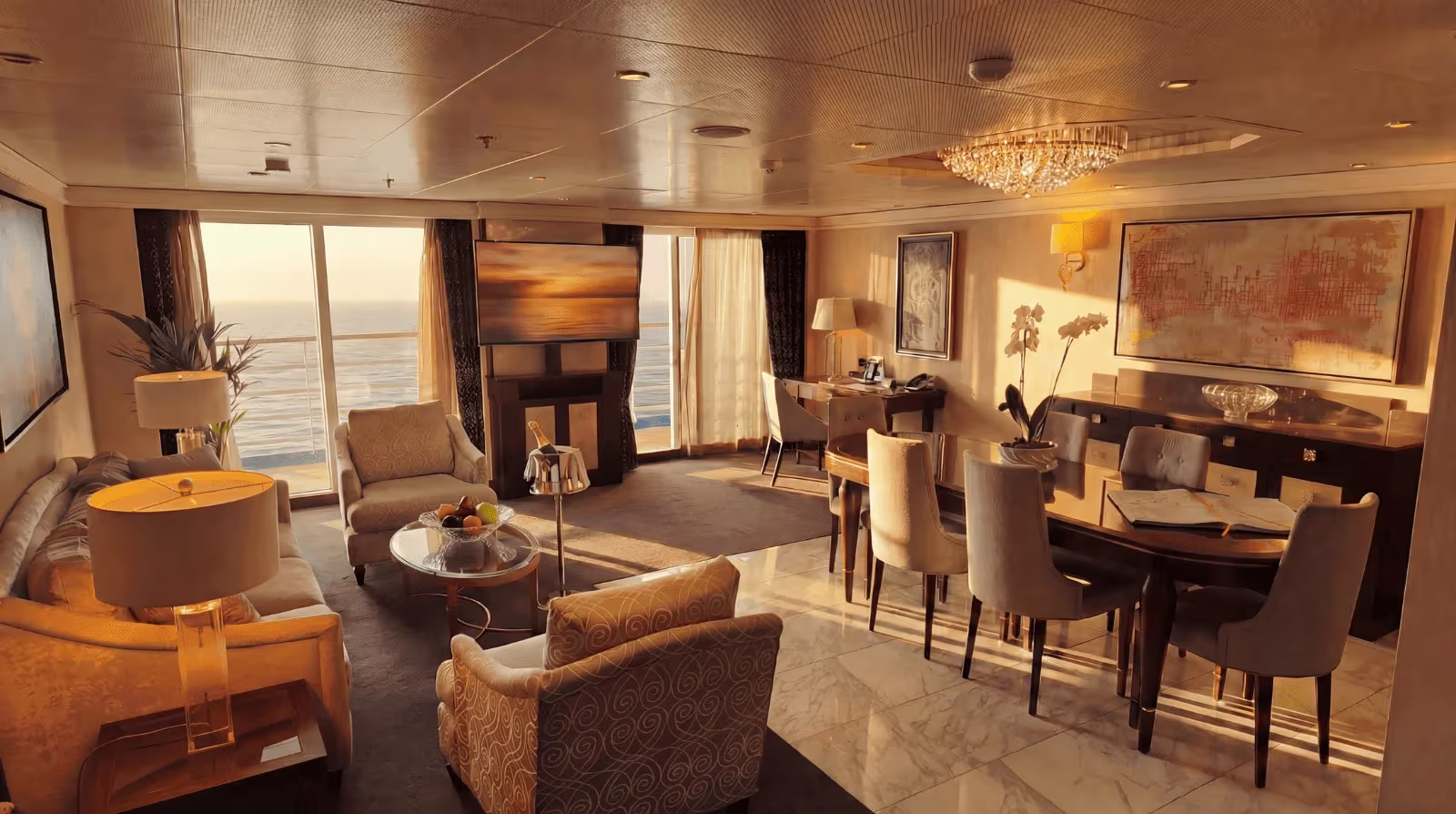
A: Cabin sizes range from roughly 150 sq ft (compact studio) to 1,000+ sq ft (premium suites). Most mid-range options are 250–450 sq ft, comparable to a studio apartment. Purpose-built ships like Storylines' MV Narrative offer larger units with full kitchens. Converted cruise ships tend toward the smaller end. Visit in person before buying; floor plans can be misleading.
Q: Do residential cruise ships have healthcare on board?
A: Yes, all major residential ships have onboard medical clinics. The level of care varies: some have full-time doctors and basic diagnostic equipment, while others partner with telemedicine services. None can replace a full hospital. For ongoing conditions, residents manage prescriptions and coordinate specialist visits at ports. Victoria Cruises is notable for including basic medical care in their monthly fee.
Q: What types of ownership programs are available?
A: The market offers several models to fit different budgets and commitment levels:
Full Ownership (you buy the cabin outright),
Term-Based Ownership (you buy rights for a set number of years),
Fractional Ownership (you share ownership and rotate time aboard),
Endless Horizons (prepay once, no monthly fees for life, Villa Vie's signature program), and
Monthly Rentals (no ownership, just pay month-to-month). See our
detailed ownership guide for a full comparison, or read
ownership models explained in plain English.
Continue your research: Understand the real monthly costs across every operator, learn why life at sea is more social than you'd expect, or bust the biggest misconceptions in our 10 myths about living on a cruise ship.
Ready to find the right residential cruise for your lifestyle? Take our 2-minute matching quiz or compare all operators side by side.